
Construction Draw Administration Services

Owner-side construction draw administration for multifamily and commercial projects in Houston, across Texas, and nationwide. We review pay applications, reconcile the project budget, and coordinate the supporting file for the owner and lender. Each cycle makes the current request, missing documents, and unresolved questions easier to review.

Book a Free Discovery Call
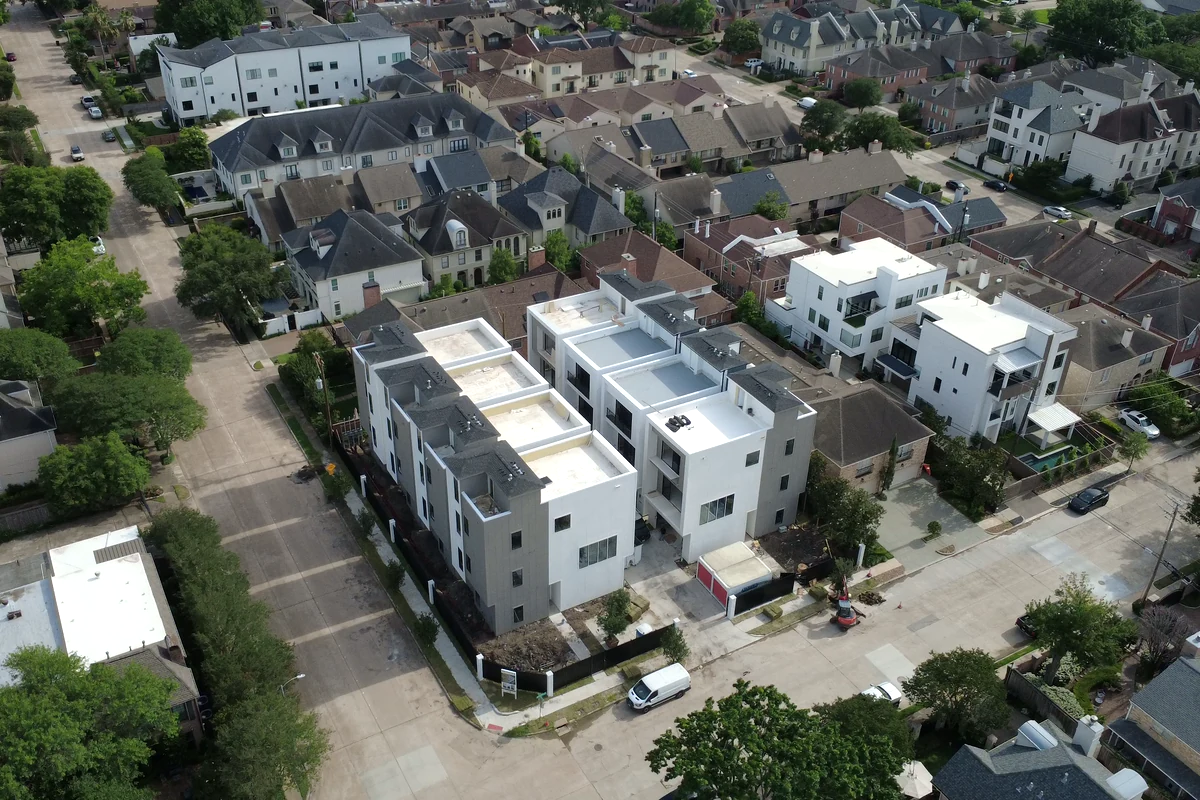
Construction draw administration for a Houston townhome development — monthly pay application and lien waiver review
New to building? Start with our First-Time Owner & Investor guide →

Why draws go wrong without draw administration

Incomplete documentation and inconsistent reporting can delay a construction draw. A missing waiver, a schedule of values that does not match the work, or an unexplained change in a pay application can create questions for the owner and lender. Construction draw administration brings those documents together, identifies discrepancies, and tracks the items that need resolution before submission.

What owners receive with each draw review

The agreed scope starts with the schedule of values, prior applications, and the lender’s checklist. The draw file brings together:

  • Pay-application review: current and previous amounts compared with the schedule of values, approved changes, and available progress documentation.
  • Submission package: the advance request and supporting records organized in the lender’s required format, including AIA G702/G703 where applicable.
  • Document tracker: required waivers and supporting records listed by party, billing period, and outstanding item.
  • Budget reconciliation: requested, funded-to-date, and remaining amounts tracked by line item, with differences flagged for review.
  • Open-item summary: questions for the owner, contractor, and lender’s inspector, together with the status of the submission.

The owner receives an organized record of the request and the items still requiring action. Field-review arrangements and reporting responsibilities are defined in the engagement; payment approval and funding remain with the authorized parties.

Who uses our construction draw administration services?

Developers managing monthly submissions, out-of-state owners who need a documented review, and equity partners tracking project spending use this service. We coordinate owner-side reporting with the lender and its inspector so the same application, budget, and supporting records can be reviewed together.

Lenders: for lender-side draw inspections and pre-funding reviews, see our draw inspection services for lenders.

What it costs to skip this

A delayed draw can disrupt subcontractor payments and the construction schedule. Owners may face additional carrying costs while documentation or progress discrepancies are resolved. A consistent draw process helps the team see those issues earlier; the lender retains responsibility for its funding decisions.

How a construction draw review works

  1. Establish the baseline. Review the current budget, schedule of values, prior draws, and the lender’s submission requirements.
  2. Reconcile the request. Compare the current application with funded-to-date amounts, approved changes, and documented progress. Flag differences that need an explanation.
  3. Coordinate the supporting file. Track required waivers and documentation, and coordinate outstanding questions with the owner, contractor, and lender’s inspector.
  4. Track submission and follow-up. Maintain the draw record and open-item list so the owner can see what has been submitted and what still needs attention.

For the full cycle from pay application to funding, read our guide to construction draws in Texas. The waivers we collect on every draw are the four statutory Texas lien waiver forms, free to download.

For the documents commonly reviewed during a site visit, see our construction draw inspection checklist. For the wider reporting role, explore owner’s representation.

How we check the documents behind a construction draw

A draw request should explain what changed since the last application and how the current amount relates to the project budget. The review focuses on five connected records:

  1. Pay application and schedule of values. Compare line-item amounts, prior applications, approved changes, and documented progress. Where AIA forms are required, check that the G703 detail agrees with the G702 summary. Our G702 and G703 guide explains how the forms fit together.
  2. Waiver and payment records. Track the required documents against the parties and payments covered by the request. Flag missing or inconsistent records for resolution rather than treating a complete-looking folder as approval to pay.
  3. Stored materials and retainage. Check supporting invoices and other records against the contract and lender’s requirements, and flag potential duplicate billing. Track retainage separately using the project’s applicable requirements; do not assume one percentage or release rule applies to every project.
  4. Budget and approved changes. Reconcile approved changes and funding records against the project budget, flag differences, and track unresolved items for the owner’s review.
  5. Lender submission and follow-up. Organize the application, available inspection report, supporting documents, updated budget, and open-item summary for the required submission. Track questions and revisions without promising a funding date.

For example, if an application includes a change that is not recorded as approved, the review should flag the difference and request the supporting decision before treating it as part of the approved budget. The record should show what was requested, what was resolved, and what remains open.

Our pencil-requisition example shows why line-item corrections must carry through the payment summary.
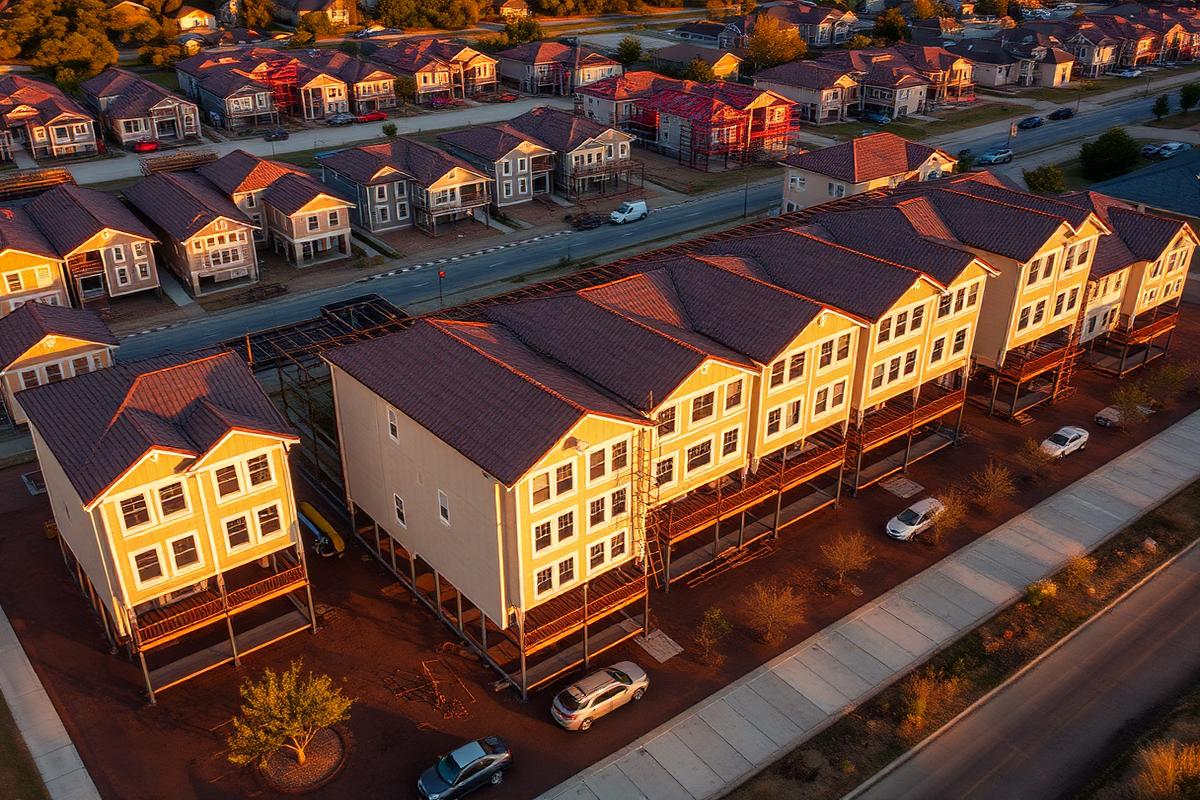
Draw administration package: schedule of values, pay application, and waivers for a Texas multifamily project

What to bring to your first draw administration review

Bring the latest schedule of values, current pay application, prior approved draw, budget, approved change orders, and any lender checklist or outstanding questions. If the project is already underway, funded-to-date records help establish the starting point. We will identify which additional documents are needed for the agreed scope.

Houston multifamily draw administration experience

Our Galleria Houston 8-unit townhome case study describes lot-by-lot requisitions, waiver tracking, and lender/owner coordination for a development with multiple investor entities. It illustrates how a draw file can be organized around the actual project structure.

Commercial build-out in Houston funded through independent draw administration

Frequently asked questions about draw administration

Do you work with our lender’s forms?

Yes. We work in AIA G702/G703, bank-proprietary advance request formats, and spreadsheet-based schedules of values. The format follows the lender; the discipline is ours.

Can you take over draws on a project already underway?

Yes. We start by reconciling funded-to-date records against the schedule of values and identifying missing documents. We then agree the outstanding actions and the next submission requirements with the owner.

Do you replace the lender’s inspector?

No. We provide owner-side draw-package review and coordination alongside the lender’s inspector. Complete documentation can reduce avoidable clarification requests; funding approval and timing remain with the lender.
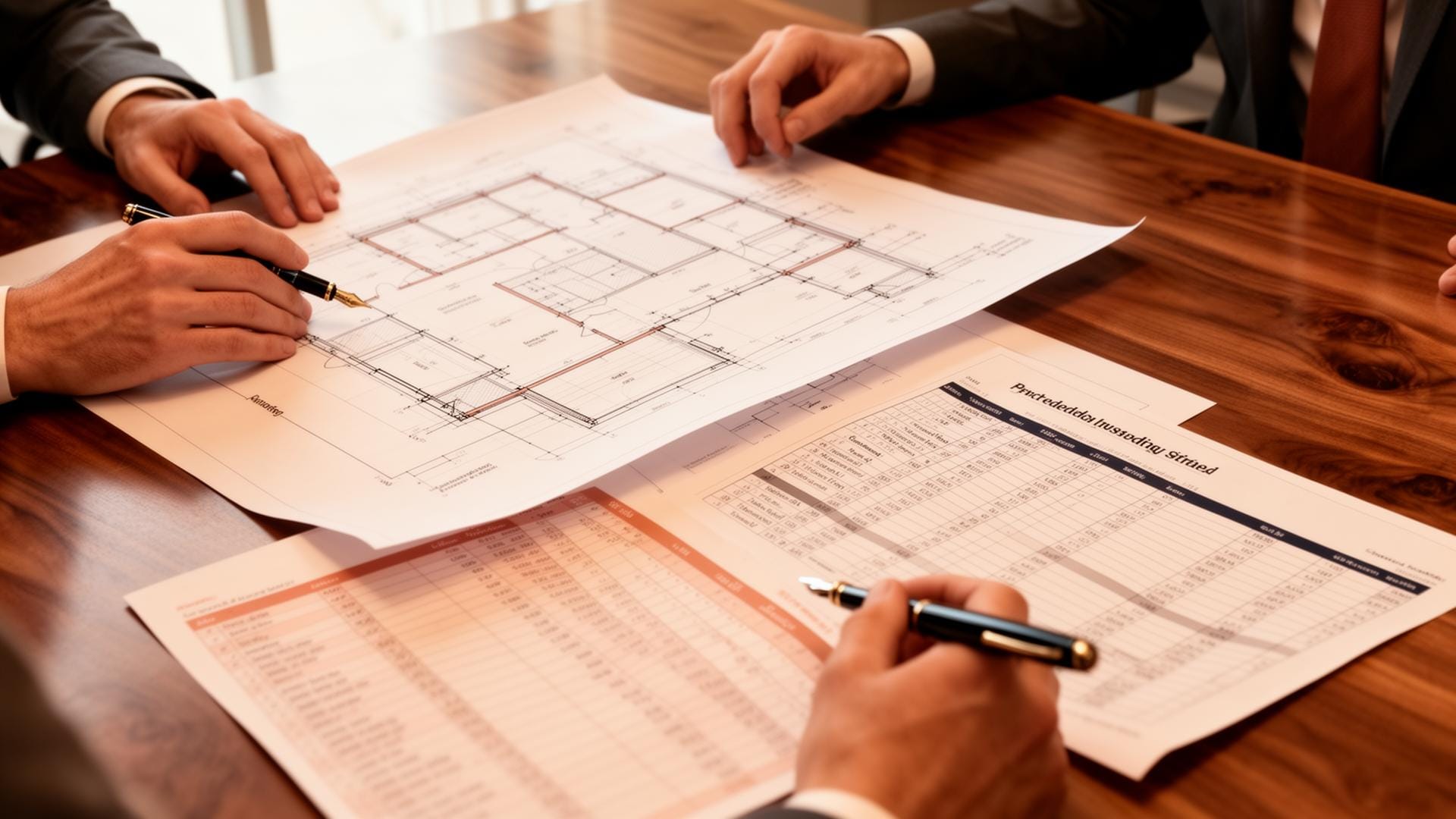
Epex Consulting draw administration services, Houston Texas

Bring your schedule of values and last draw package.

Book a free 20-minute discovery call to discuss the current draw, missing documents, and the owner-side support your project needs. Bring your lender checklist and latest pay application.

Book a Free Discovery Call
Multifamily Advisory Multifamily Feasibility Case Study: 8-Unit Townhomes Development Budget Review Draw Inspection Checklist AIA G702 vs. G703 Guide Schedule of Values Games
Further reading

Construction draws in Texas: the owner’s complete step-by-step guide

Free Texas lien waiver forms (PDF and Word) plus a waiver tracker

How construction draws actually work in Texas

What a lender’s inspector looks for before funding a draw

Conditional vs. unconditional lien waivers in Texas

Choose the review your project needs

For a draw review, gather the current payment application, schedule of values, approved change orders and last approved draw. For a buildout review, gather the available plans, lease requirements, contractor proposal and budget. Use the initial conversation to confirm which documents are needed and how to share them.

Discuss your project and review scope

How the two Epex firms relate

Epex Consulting provides owner-side construction advisory. Epex Construction is a separate sister company providing construction services. Ask which firm would contract with you, what authority it would have, and how any proposed relationship with the builder would be handled before engaging either firm.