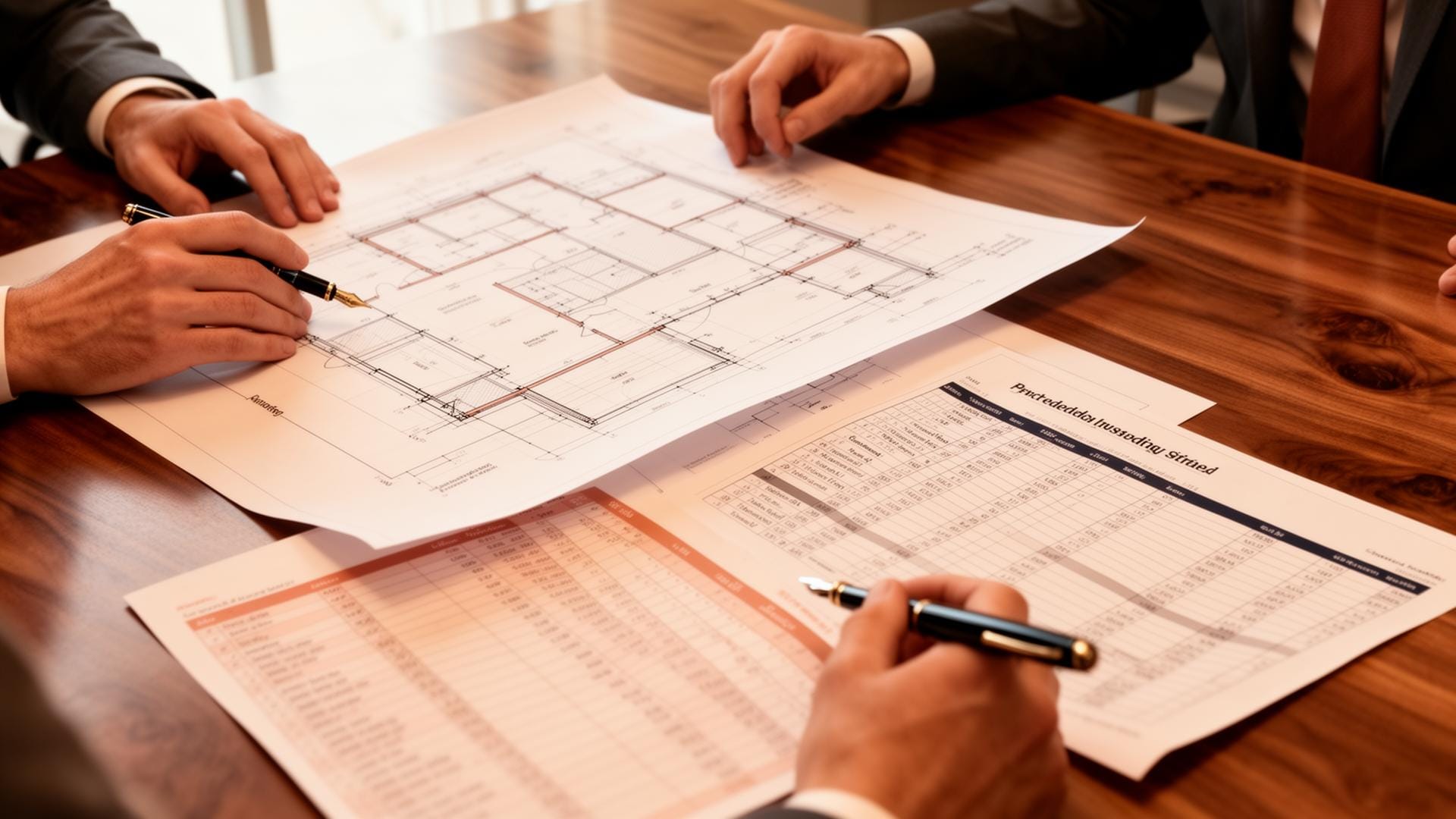


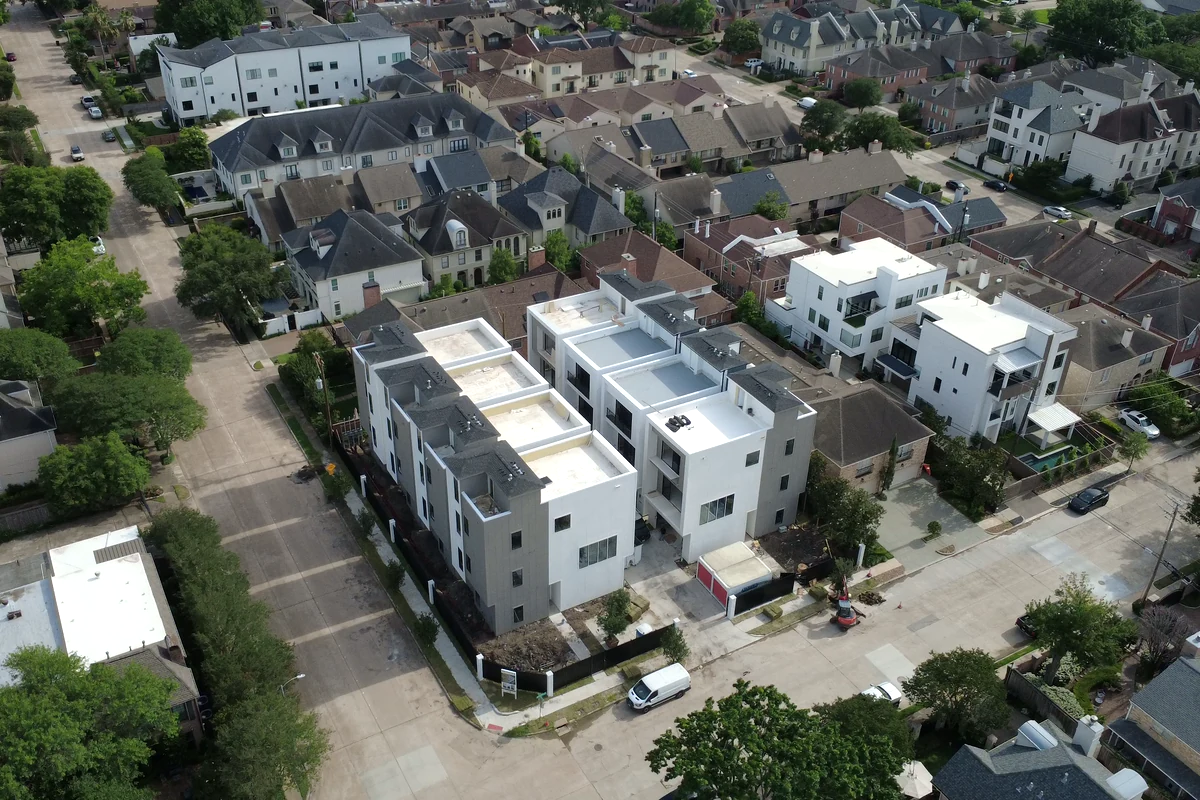
Multifamily construction consulting is the owner-side work that sits between a developer's pro forma and a general contractor's schedule of values. It is not design, it is not construction management for the contractor, and it is not lending. It is an independent read of whether the deal can be built as described, whether the budget will survive contact with the site, and whether the money moving on each draw matches the work actually in place. On a Houston or Texas townhome or apartment project, that work breaks into three phases.
The cheapest place to fix a multifamily deal is on paper. Feasibility-stage multifamily construction consulting tests the land, the plat, the deed restrictions, the detention and utility reality, the drawings as they exist, the budget line by line, and the contractor's capacity — before a lender term sheet or an equity commitment locks the owner in. In Houston that means reading the site against Chapter 42 and the current Harris County detention criteria rather than against a per-unit rule of thumb from another market. The output is a written recommendation: walk away, renegotiate, or proceed with conditions.
Once a deal proceeds, the contractor's proposal and the construction contract are the two documents that decide how much of the pro forma actually reaches the owner. Multifamily construction consulting at this stage levels competing bids on one scope, benchmarks allowances against current Houston subcontractor pricing, and reads the contract for the payment, retainage, change-order, and delay terms that shift risk onto the owner. Where the contract is on a standard form, the modifications are compared against the base AIA contract documents so nothing has been quietly stripped out.
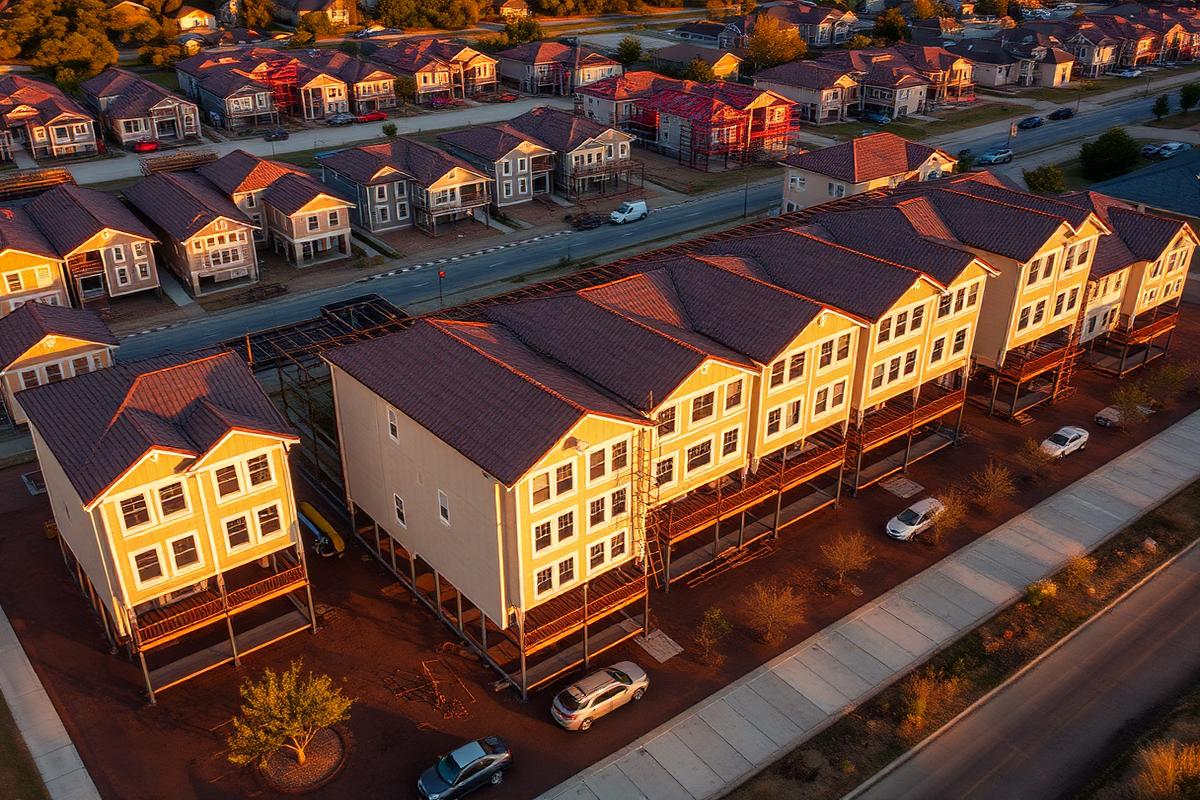
During construction the work becomes a monthly rhythm. Each AIA G702/G703 pay application is walked against the schedule of values and the work in place. Conditional and unconditional lien waivers are collected from the general contractor and every subcontractor in the statutory Texas form under Texas Property Code Chapter 53 before money moves. Stored materials, retainage, and change orders are tracked so the lender's budget and the owner's budget never drift apart, and the finished draw package goes to the lender in the form its inspector expects. That is what keeps funding on the calendar and keeps the owner from paying twice for the same work.
Engagements are scoped to the project rather than quoted from a rate card. A twelve-unit townhome infill and a two-hundred-unit garden site need different amounts of time, and the fee reflects that. Feasibility work is typically a two-to-three-week fixed-fee study; draw administration is priced per draw or per month for the life of construction. On a first discovery call we will say plainly whether a project is large enough to justify multifamily construction consulting at all, and which of the three services actually fits where the deal stands today.
The common thread is that the owner sees this project once while the contractor, the architect, and the subs do it every week. Multifamily construction consulting closes that experience gap without adding another construction contract to the job.
Epex Consulting holds no construction contract and takes no builder margin. We do not design, we do not build, and we do not carry a schedule of values of our own. When we tell an owner a budget is short, a schedule is not real, or a draw should not be funded, there is no construction fee on our side of the table that the advice is protecting. That independence is the entire value of multifamily construction consulting, and a Texas owner should insist on it from anyone offering the service.