
A two-to-three-week engagement for developers and investors evaluating a multifamily or townhome deal across Texas and the United States. We pressure-test the land, the plans, the budget, the schedule, and the contractor before equity is committed — because the cheapest place to kill a bad deal is on paper.
Schedule a Discovery Call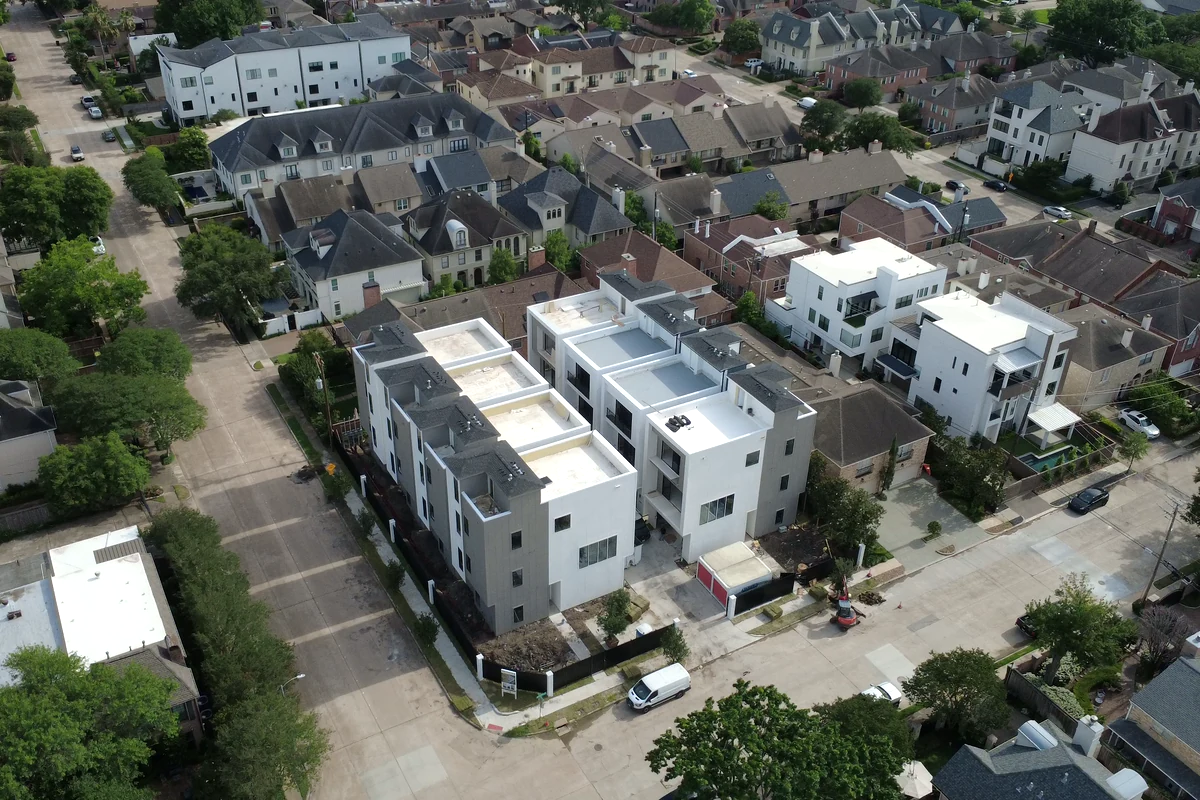
A multifamily feasibility study is a structured, independent test of whether a deal can be built the way it is being described — on that site, to those drawings, at that budget, on that schedule, by that contractor.
It is not a forecast and it is not a sales document. It is a set of questions asked in a deliberate order, where every answer either holds up or it does not, and the ones that do not are priced. The output is a decision, not a deck.
Most multifamily feasibility work you can buy tests the rent roll. We test the build. Market analysts model absorption, comparable rents, cap rates and exit value — useful work, and if that is what your lender is asking for, an appraiser or market analyst is the right hire. But a deal rarely fails because the rent assumption was ten dollars high. It fails because the site work was carried at half of what the drainage will actually require, because the drawing set was forty percent complete when it was bid, because the schedule had no float in it, or because the contractor who signed was already carrying more work than their crews could staff.
Those are construction questions. We answer them from the contractor’s side of the table, which is where we have spent our careers — and then we tell you, in writing, what we would do if it were our money.
Every study needs local context. The following Texas examples show why site rules, utility capacity, drainage, and cost assumptions need project-specific review. For projects elsewhere in the United States, the review follows the conditions and requirements of that market.
The absence of conventional zoning is the first thing out-of-state investors hear about Houston and the first thing they misread. Density, lot configuration, setbacks, parking and platting are still regulated — through Chapter 42 of the city code, through the platting process, and through private deed restrictions that the city does not enforce but a neighbor absolutely will. A deal can be fully compliant with Chapter 42 and still be stopped by a deed restriction nobody pulled. That is why every multifamily feasibility study we run starts with the plat, the deed restrictions, and the Chapter 42 conditions before anyone looks at a rent roll. We check what governs the site before we accept a unit count.
Harris County and the Flood Control District adopted NOAA Atlas 14 rainfall data in 2019, and the City of Houston brought its own detention requirements into line in a 2021 supplement to its Infrastructure Design Manual. In practical terms, required detention volumes went up, and they scale with tract size. Budgets built off a pre-Atlas-14 comparable, or off a per-unit rule of thumb carried over from another market, tend to be short in exactly this line. It is one of the first things we look at, and one of the more common reasons a feasibility comes back “renegotiate” rather than “proceed”.
Whether the site sits inside city limits or is served by a municipal utility district changes who you ask, how long the answer takes, and what capacity you are actually being promised. “There is a line in the street” is not service, and a multifamily feasibility study that accepts it as service is not worth paying for. We look for what has been confirmed in writing and treat the rest as an open risk with a schedule cost attached.
Texas multifamily starts have run hot and cold inside the same twelve months for several years running. A budget assembled from comparables that are eighteen months old is not conservative; it is simply wrong in a direction nobody has checked. Re-pricing that budget is the part of a multifamily feasibility study that most often changes the answer. We price against what the trades are quoting now, and we say which lines we have current data on and which we do not.
These four get used interchangeably in conversation and they answer completely different questions. Most deals eventually need more than one of them, and the multifamily feasibility study is the one that tells you whether the other three are even worth ordering.
| Document | Answers | Usually prepared by |
|---|---|---|
| Multifamily feasibility study | Can this be built as described — at this budget, on this schedule, by this contractor? | Construction consultant / owner’s representative |
| Market study | Is there demand? What rents and absorption will the submarket support? | Market analyst |
| Appraisal | What is the finished asset worth? | Licensed appraiser |
| Pro forma | What do the returns look like if every assumption holds? | The sponsor |
The pro forma is the one that gets built first and tested last. A feasibility study is where its construction assumptions get an independent read before the equity is called — and if the budget line items are the specific worry, our development budget review is the narrower, faster version of the same discipline.
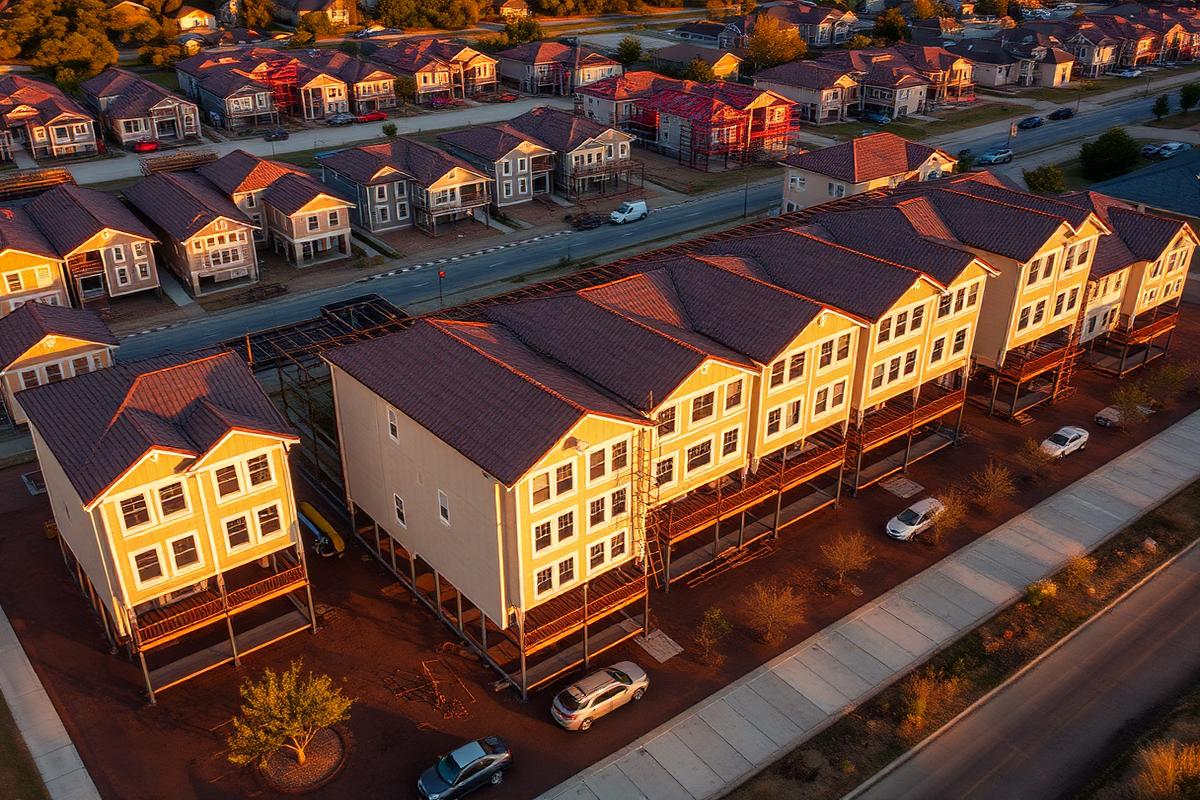
A written recommendation: walk away, renegotiate, or proceed with conditions. Every issue is stated in plain English with the dollar value and schedule impact attached. No jargon, no hedging — we say what we would do if it were our money. Every multifamily feasibility report is written to be handed to a lender or an equity partner as-is.
Underneath the recommendation sits the working detail: the budget lines we tested and what we found, the schedule rebuilt with real durations, the drawing-set gaps ranked by what they are likely to cost, the site and utility items still open, and a view on the contractor. If the answer is “proceed with conditions”, the conditions are specific enough to put into a contract or a term sheet — that is the point of them.
Plenty of clients then hand the same document to their lender. It is an independent construction-side read, not an appraisal, and it does not replace a third-party report that a specific loan program requires. It does give a lender something most borrowers cannot produce: evidence that the construction plan was tested by someone with no position in the deal.
We scope every study to the deal rather than quoting a list price, because the work is not the same on a twelve-unit townhome infill as it is on a two-hundred-unit garden site. Four things drive it: unit count and site complexity, how complete the drawing set is, whether a contractor and a real budget already exist or we are starting from a napkin, and whether the site sits inside city limits or inside a district.
The economics are usually not close. A multifamily feasibility study is a fraction of one month’s interest carry on a construction loan, and the failure modes it catches — a short detention line, an incomplete set bid as complete, a contractor without the crews — are the kind that surface as change orders once steel is on site. The discovery call is where we scope it, and it is free.
First-time multifamily developers who have land under contract and a lender asking questions. Investors comparing two or three potential deals. Land owners deciding whether to develop or sell. Lenders who want an independent multifamily feasibility read on a borrower’s budget before term sheet.
If the deal is already moving and what you actually need is someone holding the contractor to the contract week after week, that is owner’s representation and draw administration rather than a feasibility study. It is a common correction to make on the first call, and we would rather make it than sell you the wrong engagement.

Is this an appraisal or market study?
No. Appraisers value the finished asset; market analysts test demand, rents and absorption. We test whether the construction plan can deliver the asset at the numbers claimed. Different questions, different licenses, and on most deals you will want more than one of them.
How long does a multifamily feasibility study take?
Two to three weeks in most cases. A clean deal with a complete drawing set and a named contractor moves faster; an incomplete set, an unplatted site, or a budget that has to be rebuilt from scratch pushes it to the long end.
Can you run a multifamily feasibility study on a deal that’s already funded?
Yes — developers use a mid-course feasibility when the budget starts slipping and they need an independent read before talking to the bank.
What do you need to start?
The site (address or survey), whatever plans exist, the budget as it stands, and the proposed contractor if one is identified. Partial information is normal. If the drawing set is thin, that is itself one of the findings.
Do you work outside Houston?
Yes. Epex Consulting serves developers and investors across Texas and the United States. We tailor the review to the project location and identify which budget lines use current local data and which rely on regional benchmarks or assumptions requiring confirmation.
What happens if the recommendation is to walk away?
Then the study did its job. Killing a bad deal on paper is the cheapest outcome available to you, and it is a meaningful share of the recommendations we deliver. We are not paid on whether the deal proceeds.
Does this replace my architect, engineer, or the lender’s inspector?
No. We are construction consultants, not a design firm and not an engineering firm — we do not stamp drawings and we do not issue engineering opinions. We read what your design team has produced, test it against what it will cost and how long it will take to build, and tell you where the risk sits.
Can the study support a loan request?
Lenders regularly accept it as supporting material because it is independent and construction-specific. It is not an appraisal and it does not substitute for a third-party report that a particular loan program mandates — check what your program requires before assuming it does.
A 20-minute discovery call tells you whether a full multifamily feasibility study is worth it — and sometimes that call is all you need.
Schedule a Discovery Call