
The construction loan draw process can leave a fully funded commercial project short of cash at exactly the wrong time.
The loan is approved. The budget balances. The project is fully funded. So why is the owner being asked to wire more cash before the next draw arrives?
This is one of the most confusing parts of commercial construction finance. A construction loan may cover the full approved budget, but that does not mean all of the money is available when contractors and suppliers need to be paid. Most construction loans release funds in stages. Vendors, meanwhile, often require deposits before work begins or payment before material is delivered.
That timing difference creates a cash-flow gap. If the gap was not modeled before closing, an otherwise viable project can stall even when the total financing looks sufficient on paper.
The construction budget answers one question: What should the project cost? A cash-flow plan answers a different and equally important question: When will the owner need the money?
How the construction loan draw process works
A construction draw is a request to release part of the loan based on completed work, eligible stored materials, or another milestone defined in the loan documents. The exact process varies by lender and project, but a typical commercial draw follows this sequence:
- The contractor submits a G702/G703 pay application (or the lender’s equivalent) and supporting documents.
- The owner or owner’s representative reviews the request against the contract, schedule of values, approved change orders, and work completed.
- The lender or its inspector verifies progress and checks required documentation.
- The lender approves eligible costs and releases funds.
- The owner pays the contractor, vendors, and other project costs according to the approved draw.
The key phrase is completed work. A lender is usually reimbursing verified progress, not providing unrestricted working capital. The project team may have to spend money first and wait for reimbursement later.
Where the construction loan draw process creates the cash-flow gap
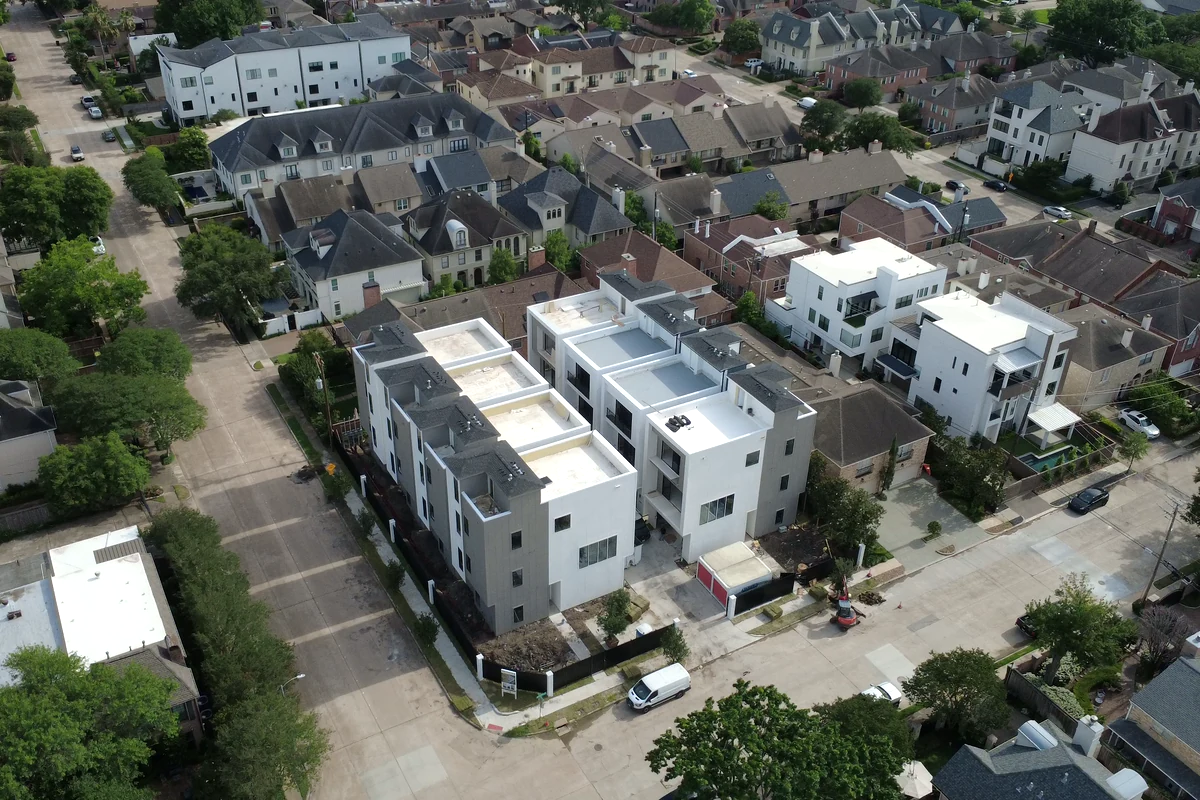
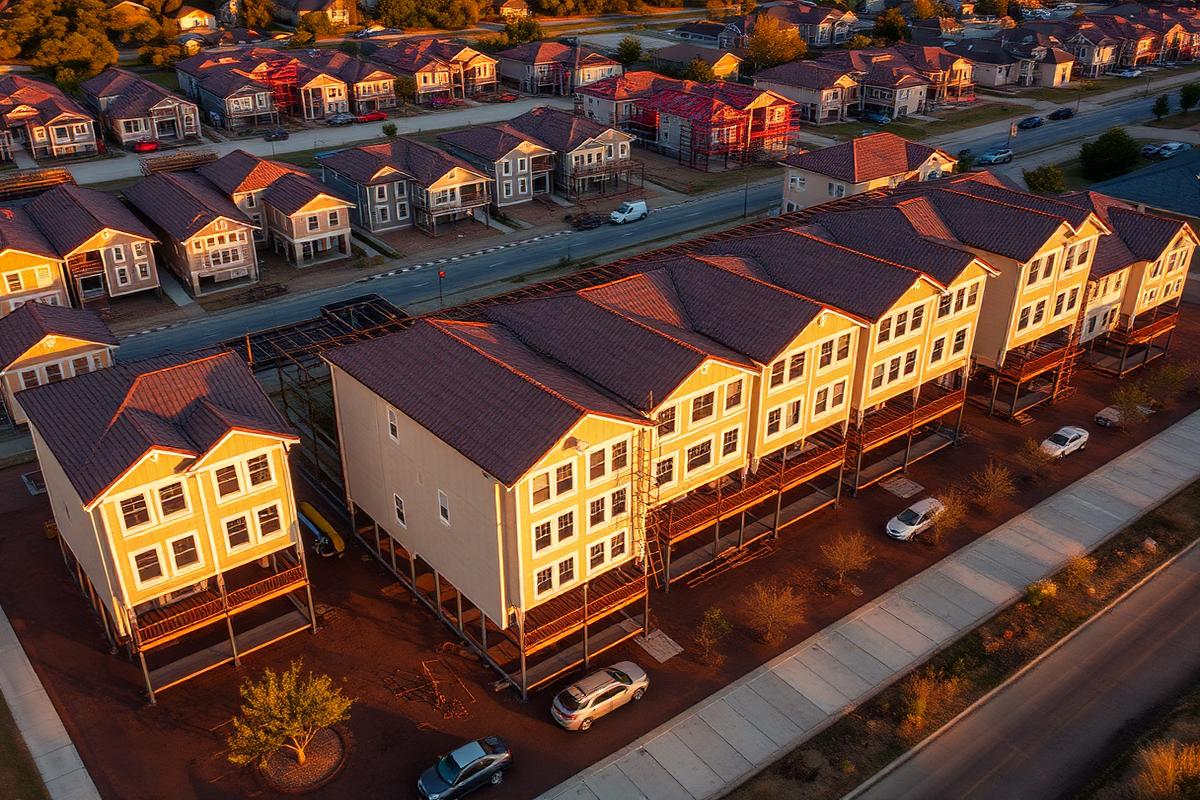
Imagine that the framing package is ready to start. The lumber supplier requires payment before delivery, and the framing subcontractor requires a mobilization deposit. The lender, however, will not reimburse the full framing line until the material is delivered, installed, and verified.
The project is funded, but in the construction loan draw process the funding is always behind the work. The owner must bridge the period between the vendor’s payment deadline and the lender’s reimbursement date.
The gap becomes larger when several conditions overlap:
- Large deposits are due before work begins.
- Several trades are bundled into one draw milestone.
- The lender requires installation before material is eligible.
- Inspection, title review, or underwriting takes longer than expected.
- Change orders are approved without updating the cash-flow forecast.
- Vendor terms are shorter than the lender’s draw cycle.
None of these conditions automatically means the loan or contractor is problematic. They mean the owner needs a plan for timing, not only a plan for total cost.
In the construction loan draw process, budgeted cost is not the same as available cash
A project can show a healthy contingency and still experience a liquidity problem. Contingency protects against unknown cost. Working capital protects against timing.
Those two reserves should not be treated as interchangeable. If contingency is repeatedly used to bridge ordinary draw timing, the project may appear stable while its protection against real surprises is quietly disappearing.
Before closing, the owner should calculate the maximum cash exposure: the largest amount the project may need to pay before the corresponding lender reimbursement arrives. This number may include deposits, stored materials, payroll, permit or utility costs, interest, inspection delays, and overlapping trade activity.
That exposure is often the project’s real cash entry requirement.
Six ways owners can reduce construction loan draw process risk
1. Map every payment in the construction loan draw process before the lender pays
Build a week-by-week cash-flow forecast, not only a monthly budget. List every deposit, progress payment, balance, expected draw submission, inspection window, and estimated funding date. The model should make the timing gap visible before it becomes urgent.
2. Negotiate achievable milestones in the construction loan draw process
A draw schedule that combines too many scopes can force the owner to carry a large amount of work before reimbursement. Ask whether major lines can be divided into smaller, objectively verifiable milestones that reflect how construction will actually proceed.
3. Confirm how stored materials are treated
Some lenders will fund eligible stored materials when documentation, insurance, secure storage, and ownership requirements are met. Others are more restrictive. Confirm the rules before ordering a large material package, not after the invoice is due.
4. Build construction loan draw process time into the forecast
Do not model funding as if it occurs the same day a draw is submitted. Include realistic time for contractor corrections, owner review, inspection, lender review, title requirements, lien documentation, and bank processing.
5. Verify billed work against built work at every step of the construction loan draw process
Each draw should be tested against the schedule of values and actual progress. A pay application can be mathematically correct and still be ahead of the work in place. Compare the amount billed with what can be verified, then resolve the gap before releasing money.
6. Keep one source of truth
Ownership groups are especially vulnerable to duplicate payments and missed reimbursements when one person pays a vendor directly while another tracks the contractor’s draw. Use one ledger for the whole construction loan draw process that records the property or project code, vendor, invoice number, trade, construction stage, payment type, payer, and reimbursement status.

Warning signs that the construction loan draw process is slipping
Cash-flow pressure rarely appears without signals. Owners should slow down and investigate when they see any of the following:
- Draw packages arrive without updated schedules or supporting invoices.
- The same cost appears as both a direct owner payment and a contractor reimbursement request.
- Billed percentages consistently run ahead of visible progress.
- Stored materials are billed without clear location, insurance, or proof of ownership.
- Change orders appear in the pay application before written approval.
- Retainage, lien releases, or payment documentation do not reconcile.
- The lender keeps rejecting the same type of documentation.
One warning sign may be an administrative issue. Several at once usually indicate that the project needs stronger controls.
What an owner’s representative reviews in the construction loan draw process
Independent owner-side review connects the documents to the physical project. A strong review does more than confirm that the columns add up. It asks whether the request is allowed by the contract, supported by approved changes, consistent with the schedule, and matched by work that can actually be verified.
A typical review may include the pay application, schedule of values, invoices, change-order log, progress photos, site observations, lien releases, stored-material records, retainage, and the updated project schedule.
The purpose is not to delay payment. It is to release the right amount, for the right work, with the right documentation, while preserving a clear audit trail.
For owners who do not have an internal construction team, owner-side construction advisory can provide the independent review and decision structure needed to keep draws aligned with reality.
Need help organizing the monthly submission? Explore our construction draw administration services for ongoing draw-package coordination.
The question to answer before closing
Do not stop at, “Is the project fully funded?” Ask, “What is the maximum amount we may have to carry before reimbursement, and how long could we be carrying it?”
That question forces the loan, the construction loan draw process, the construction schedule, vendor terms, and owner liquidity into the same conversation. It also gives the team time to negotiate smaller milestones, obtain better payment terms, arrange appropriate working capital, or change the sequence of work.
A good construction budget tells you whether the project can be built. A good draw and cash-flow plan tells you whether the project can keep moving while it is being built.
Frequently asked questions about the construction loan draw process
What is a construction draw request?
A construction draw request is a package asking the lender to release a portion of the loan for eligible project costs. It commonly includes a pay application, schedule-of-values detail, invoices, progress evidence, lien documentation, and other items required by the loan agreement.
How long does the commercial construction loan draw process take?
Timing varies by lender, project, and documentation quality. Owners should build a realistic review and processing period into the forecast and confirm the lender’s required steps before closing.
Can a lender pay for materials before they are installed?
Sometimes. Stored-material funding depends on the loan documents and may require invoices, proof of payment or ownership, secure storage, insurance, and inspection. Confirm eligibility before placing the order.
Who should verify a construction draw?
The owner should have a qualified party compare the request with the contract, approved changes, schedule of values, supporting documents, and work in place. The lender’s inspection protects the lender’s side of the construction loan draw process; it does not replace the owner’s own review. Most lenders expect the request on the AIA G702/G703 form, with lien waivers in the statutory Texas form under Property Code Chapter 53.
Need a second set of eyes on your construction loan draw process?
Epex Consulting helps commercial owners, franchise operators, investors, and developers review budgets, proposals, draw packages, change orders, and active-project risks from the owner’s side of the table.
Book a Project Review to identify the timing gaps, documentation problems, and payment risks that deserve attention before the next draw moves.
Disclaimer: This article is educational and does not replace legal, accounting, lending, engineering, or project-specific professional advice. Loan and contract requirements vary.
One Response