
An infill case study in front-end discipline: how Epex Consulting de-risked a 20-unit infill townhome development — feasibility, entitlement coordination, civil document review, and investor analysis, with no builder in the room.
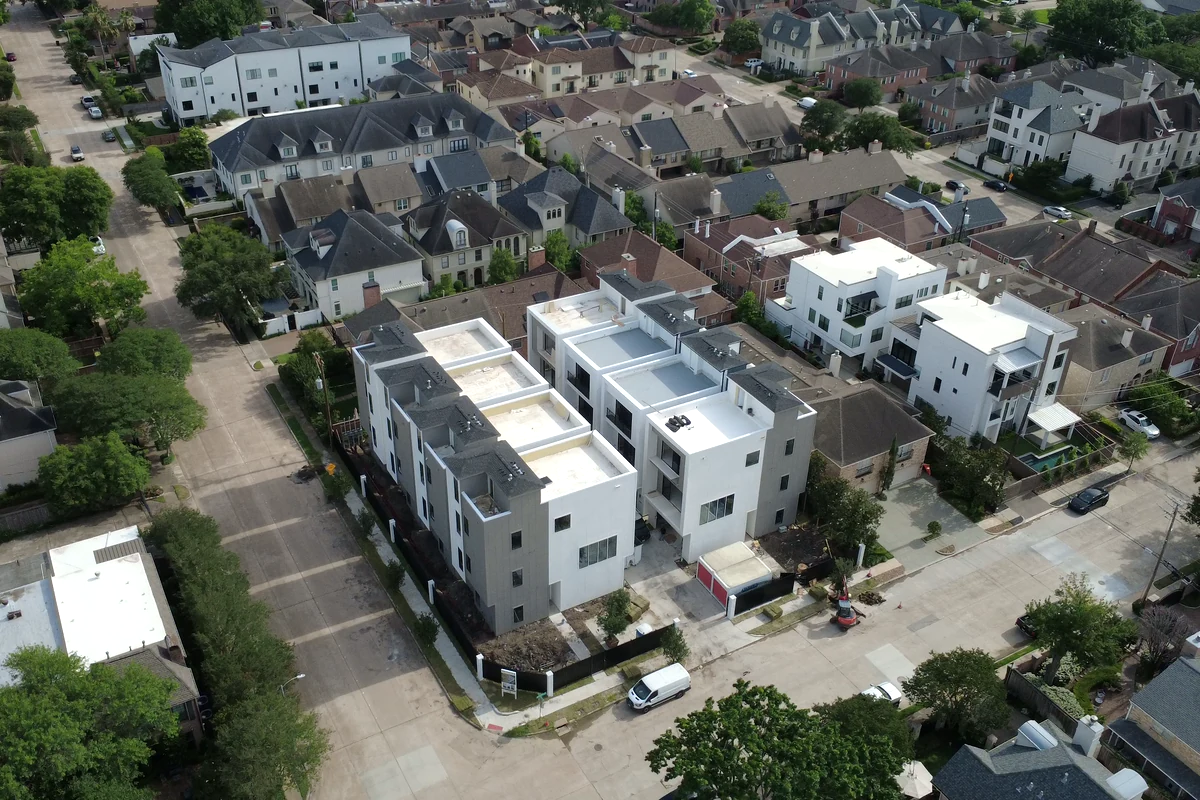
Infill development is where the ground fights back. A 20-unit townhome project on a Dallas infill site carries risk long before the first slab: title and easement exposure, flood-plain and detention reality, the civil approach to utilities and drainage, entitlement and zoning conditions that can quietly reshape the yield, and a budget that has to survive contact with current market pricing. Any one of these can turn a deal that pencils on a napkin into a deal that loses money in the ground.
The owner group needed to know whether the deal actually worked — not the optimistic version, the real one — and they needed to know it while changes were still free. That is the entire value of front-end work: the most profitable construction decisions are made before construction, when budget, entitlements, and scope can still be moved on paper instead of in concrete.
Epex Consulting worked owner-side and owner-side only. No general contractor was involved, by design. When the party running the feasibility has no construction contract to win, the recommendation carries no builder margin and no incentive to keep quiet about a problem. The owners got the numbers, in writing — and the freedom to walk if the numbers said walk.
Title, easements, flood plain, detention, utility tie-ins, and the civil approach — the site-work costs first-time infill developers underestimate most, priced honestly rather than hoped away.
Current zoning, conditional-use exposure, variance risk, and deed restrictions — mapped against the intended 20-unit yield so no entitlement surprise showed up after the land closed.
The civil set read for completeness and for the gaps that surface later as change orders — drainage, grading, and utility routing checked before they became field problems.
A line-by-line reality check against current market pricing, soft-cost coverage, and contingency, run through the investors’ underwriting so the return case rested on real numbers, not placeholders.
Walk away, renegotiate, or proceed with conditions — stated plainly, with the dollar and schedule impact of each issue attached. No hedging.

“The most profitable construction decisions are made before construction. Feasibility work exists to find the problems that are cheap on paper and expensive in the ground.”
Every infill case study we publish is written for the next owner holding a similar site, so the lessons matter more than the unit count. Three carry over to almost any urban infill townhome deal in Texas.
On an infill parcel the expensive lines are underground and at the property line: utility tie-ins, drainage and detention, easements, and the off-site improvements the city attaches as a condition of the plat. A budget assembled from a per-unit rule of thumb cannot see those lines. This infill case study started with the survey, the plat, and the civil approach precisely because that is where first-time developers are most often short.
This is the lesson from the infill case study that owners most often push back on, until the carry cost is shown month by month.
A conditional-use question, a variance, or a deed restriction does not only threaten the number of units; it adds months, and months on an infill site are carry cost on the land loan. Mapping the entitlement path against the intended yield before closing meant the owners knew both the unit risk and the calendar risk while changes were still free. Zoning and platting requirements for a Dallas site run through the City of Dallas Planning and Urban Design process, and the review durations there belong in the pro forma.
“Proceed with conditions” means nothing without the dollar and schedule impact of each condition. In this infill case study every issue that surfaced was priced and dated so the investors could underwrite the real deal rather than the optimistic one. Where the eventual construction contract would be on a standard form, the owner-contractor terms were read against the base AIA contract documents so nothing arrived later as a surprise.
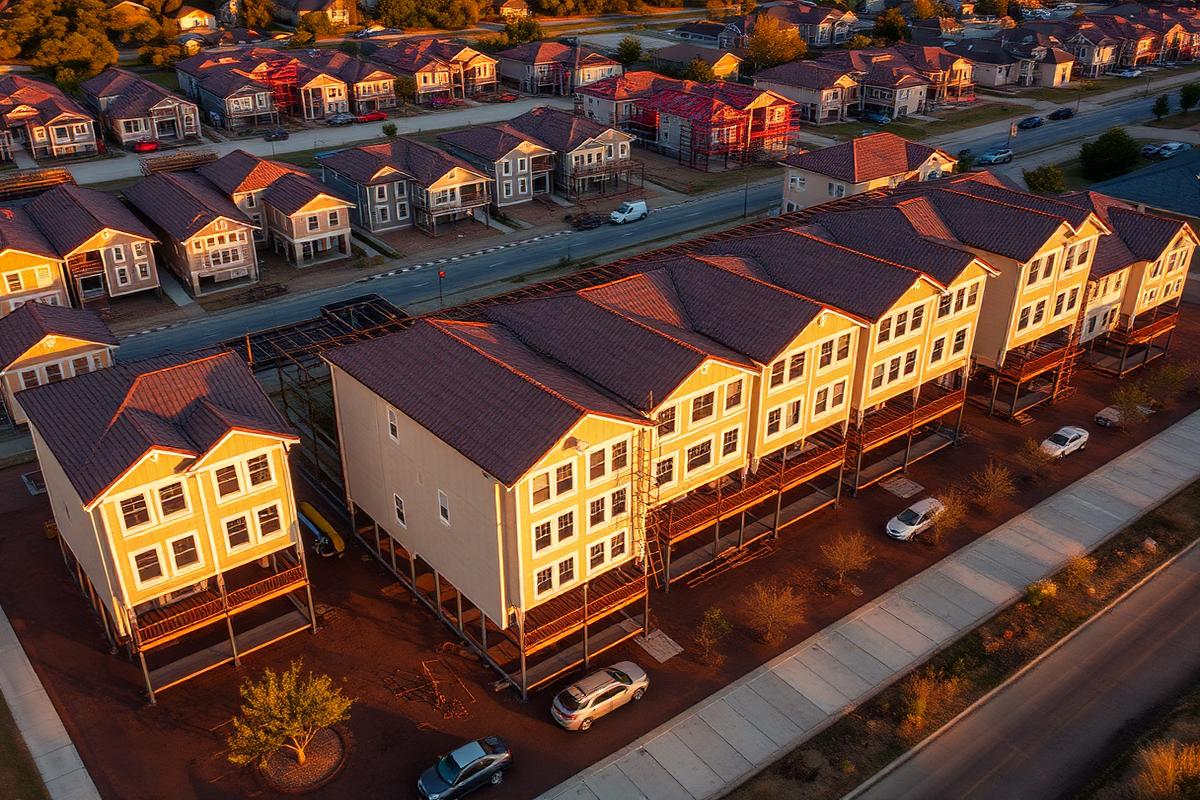
Feasibility is the front end of the same owner-side discipline that continues through construction. On projects that proceed, the reviewed budget becomes the baseline for draw administration, and the entitlement and civil findings become the checklist an owner’s representative carries into the field. For the construction-phase version of this discipline, see our 8-unit Houston townhome case study; for the study itself, see multifamily feasibility.
The feasibility review is the highest-return line item in your budget. A 20-minute call tells you whether your deal is worth a full look.
Book a Project Review