
Construction draw inspections protect the lender and the owner by confirming that requested funds match completed work. This construction draw inspection checklist covers the field observations, documents, and reconciliations that should be complete before an advance request is submitted.
Use it for multifamily, commercial build-out, and ground-up projects. Every lender has its own form, but the verification logic is remarkably consistent.
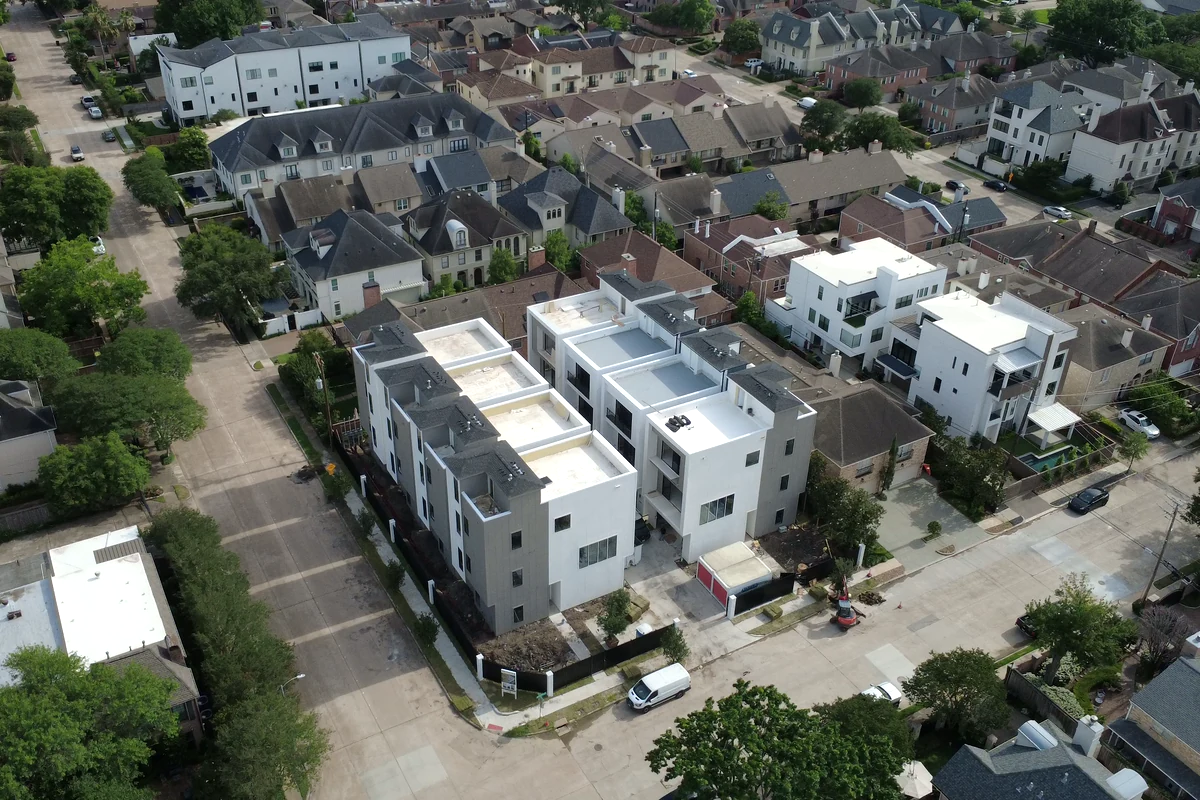
Construction draw inspection checklist: the 15-point review
- Confirm the inspection period. Record the draw number, application period, inspection date, and the cutoff date for completed work.
- Match the schedule of values. Every line requested in the draw should map to the approved schedule of values without new or renamed categories appearing unexpectedly.
- Verify stored materials. Confirm location, quantity, condition, ownership, insurance, and whether the lender permits payment for off-site materials.
- Observe installed work. Compare visible progress with the percentage complete claimed for each major trade.
- Check prior-funded work. Confirm that work funded in the previous draw remains in place and has advanced as expected.
- Reconcile change orders. Approved change orders should be reflected in the contract sum and schedule of values; pending changes should not be funded as approved scope.
- Review general conditions. Time-based billing should align with elapsed schedule duration and documented staffing.
- Confirm retainage. Apply the lender- and contract-required retainage consistently to current and completed work.
- Track permits and inspections. Note required permit milestones, failed inspections, open corrections, and certificates affecting the next phase.
- Identify defective or incomplete work. Photograph and describe material deficiencies that affect percent complete or payment.
- Check the project schedule. Compare planned progress with actual progress and identify activities driving delay.
- Validate lien waivers. Collect the conditional and unconditional waivers required for the current and prior payment periods.
- Reconcile invoices. Supporting invoices should total to the amount requested and should not duplicate prior billing.
- Calculate remaining cost to complete. Compare the undisbursed balance with realistic remaining obligations, approved changes, and known exposure.
- Create a photo record. Use dated, labeled photos tied to areas or schedule-of-values lines so the file can be audited later.
What to bring to the construction draw inspection
Every item on the construction draw inspection checklist above is easier to verify when the paperwork is in the inspector’s hands before the walk. Most lenders expect the request on the AIA G702/G703 form, with lien waivers in the statutory Texas form under Property Code Chapter 53.
- Current pay application or advance request
- Approved schedule of values
- Previous draw report and photo log
- Current project schedule
- Approved and pending change-order log
- Permit and inspection status
- Stored-material invoices and certificates
- Lien-waiver tracker
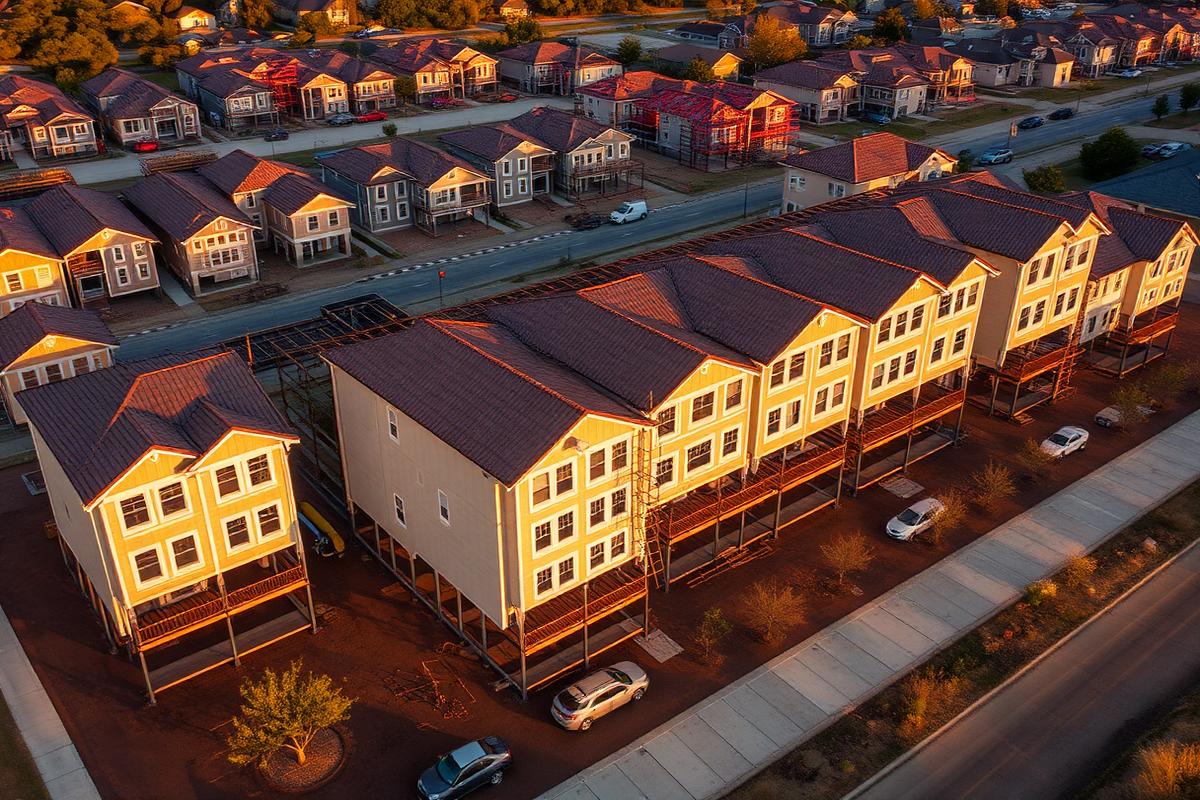
Five construction draw inspection checklist red flags that deserve a closer look
Front-loaded schedule of values
Mobilization, supervision, or early trade lines that are disproportionately large can move cash ahead of actual progress and leave too little money to finish.
Percent complete that exceeds field progress
A clean invoice is not proof of installed work. When visible progress does not support the claimed percentage, document the difference and fund only the defensible amount.
Repeated “stored materials” billing
Stored materials should be identifiable, protected, insured, and removed from the stored-material balance when installed. Repeated billing without reconciliation creates duplicate-payment risk.
Change orders appearing before approval
Pending change orders belong in the risk log, not in the approved contract sum. Mixing the two obscures the true remaining contingency.
Waiver gaps
A missing waiver is treated the same as missing work: the line does not fund until the gap is closed.
A missing waiver from a major subcontractor can become a lien problem even when the general contractor has been paid. Track the waiver chain by vendor and draw period.
Questions to ask before you approve a draw request
Before you sign off on a contractor’s or subcontractor’s draw, ask these questions. Each one maps to an item on the checklist above, and a vague answer or missing backup is your cue to slow down.
- What was completed this period, line by line, and where can I see it? The answer should match the schedule of values and what is physically in place.
- Which lines are billed as stored materials? Where are they, are they insured, and is there an invoice for each?
- Is every change order on this request approved in writing? Pending changes belong in the risk log, not in the draw.
- Who was paid from the last draw, and do I have their waivers? In Texas, an unpaid subcontractor or supplier can still lien the property even after the general contractor is paid. See our Texas lien waiver forms guide.
- Is any subcontractor or supplier currently unpaid or disputing payment? Ask for the vendor list and anything past due before releasing more money.
- Does the percent complete match the lender inspector’s report? If not, which lines differ, and why?
- How much retainage is being held, and does it match the contract?
- Are there failed inspections or open permit corrections on work being billed?
- Has any of this work or material been billed on a previous draw?
- What will it cost to finish, and does the remaining loan balance cover it?
If an answer is vague or the backup is missing, fund the amount you can defend and hold the rest until the gap is closed.
How the draw package should reconcile with the construction draw inspection checklist
The current payment request, prior payments, retainage, change orders, and remaining contract balance should reconcile mathematically before the package goes to the lender. Where the lender requires AIA forms, the G702 summarizes the application and the G703 carries the line-item continuation sheet. To check the math before a draw goes out, use our free G703-style schedule-of-values worksheet.
Epex Consulting administers construction draws against the schedule of values, coordinates supporting documents, and maintains an audit-ready file from first draw to final release. Learn more about our construction draw administration service and our 8-Unit Townhomes draw-administration case study.

Frequently asked questions about the construction draw inspection checklist
Is a construction draw inspection the same as a code inspection?
No. A code inspection addresses compliance with applicable codes at required milestones. A draw inspection addresses funding risk by evaluating visible progress, documentation, and the relationship between money requested and work completed.
Who orders the draw inspection?
The lender usually orders it. Owners and equity partners may also commission an independent review when they want their own verification of percent complete and remaining cost. Either way, run this checklist before the inspector arrives: the owner is the borrower, and a delayed draw costs the owner.
Does the inspector approve payment?
The inspector reports observations and may recommend an adjusted percentage. The lender or owner makes the funding decision under the loan and construction contracts.
How long should a construction draw inspection take?
Field time depends on project size and complexity. The larger risk is usually not the site visit itself but incomplete backup, unreconciled changes, and missing waivers after the inspection.
What should I ask a subcontractor before approving an unpaid draw request?
Ask what work the request covers and where it is installed, whether stored materials are invoiced and insured, whether any change orders are approved in writing, and whether their own suppliers and lower-tier subs have been paid. Then confirm you hold the matching lien waivers before funds are released. The full list is under “Questions to ask before you approve a draw request” above.
Need an independent construction draw inspection checklist review?
Bring the schedule of values, current pay application, and last draw package. We will identify what a lender is likely to question and outline the fastest path to a fundable package.
Book a free 20-minute project review or explore our multifamily construction advisory services.