
An infill development case study: how owner-side feasibility and budget review helped a 48-unit multifamily project break ground on schedule, control civil costs, and avoid construction equity calls.
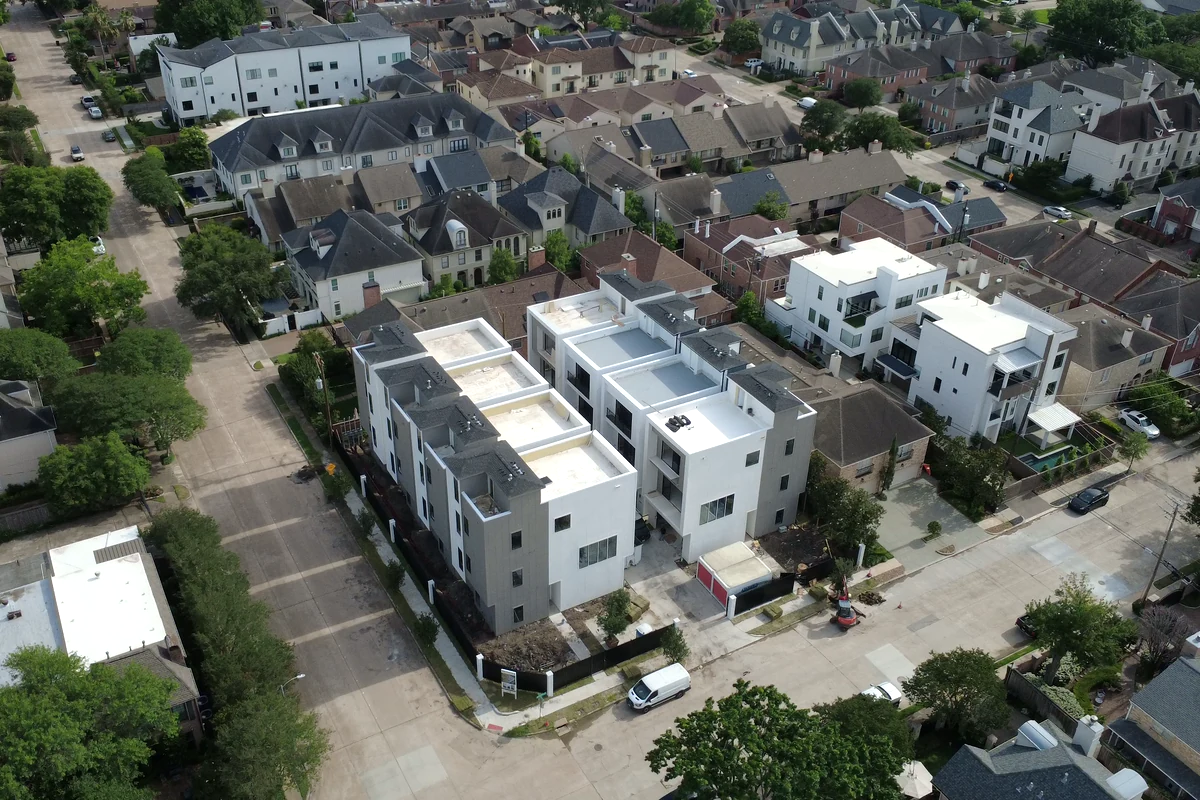
Infill multifamily projects carry cost and schedule risks before vertical construction begins. Civil scope, utility coordination, site constraints, and incomplete assumptions can create early overruns that consume contingency before the building is out of the ground. The development team needed a realistic budget and a clear path to groundbreaking.
Epex Consulting reviewed feasibility and the development budget from the owner’s perspective. The work focused on the assumptions most likely to affect civil cost, project readiness, contingency, and the amount of equity required during construction.
We tested whether the proposed scope, sequence, and cost assumptions supported a practical route to construction.
We separated site and civil assumptions from the broader building budget so the team could see where early cost exposure was concentrated.
We aligned contingency with identifiable project risks instead of treating it as an undifferentiated percentage.
We organized the information needed to resolve budget and readiness questions before they delayed groundbreaking or required additional capital.

A development can appear feasible on a high-level model and still fail when civil, utility, escalation, or sequencing assumptions reach the field. Owner-side review connects the financial model to the actual work that must be bought and built. That connection gives developers and investors a clearer view of downside risk before capital is committed.
An infill development case study is only useful if the next owner can apply it, so the lessons here are written for anyone underwriting a mid-size multifamily site in Texas.
On a 48-unit site the underground and off-site work carries more variance than the buildings do: utility tie-ins, detention, paving, and whatever the city attaches to the plat as a condition. A budget built from a per-unit comparable cannot see those lines. This infill development case study got its civil result by pricing that scope from the civil drawings and current trade quotes rather than from a rule of thumb, and by revising the budget before the loan closed rather than after.
A flat five percent contingency treats every line as equally uncertain. It is not. The infill development case study approach sizes contingency by line: high on civil and site, moderate on structure, low on finishes that already have quotes. That is what kept the project inside its revised budget without a construction-phase equity call.
This is the step most owners skip, and it is the reason a clean feasibility number so often turns into an overrun by month six. The budget review is not a document; it is the baseline every later decision is measured against, and someone on the owner’s side has to carry it into every draw meeting and every change order conversation for the life of the project.
The most common way a good feasibility budget dies is that nobody carries it into construction. Once a contractor is signed, the pay application on the AIA G702/G703 should reconcile to the same schedule of values the feasibility budget was built on, and lien waivers should follow the statutory Texas forms in Property Code Chapter 53. Independent draw administration is how the infill development case study discipline continues through the last draw.

Epex reviews major hard-cost categories, allowances, civil and utility scope, soft-cost interfaces, contingency, escalation assumptions, and gaps between the development model and available project documents.
Before land or major design commitments when possible, and again as the drawings and contractor pricing become more detailed. Feasibility should improve as the project definition improves.
Yes. Contractor pricing is an important input, but owner-side review tests completeness, assumptions, exclusions, and alignment with the development model.
Bring the development model, current drawings, and contractor budget. We will identify the assumptions most likely to affect capital and schedule.
Book a Project Review